
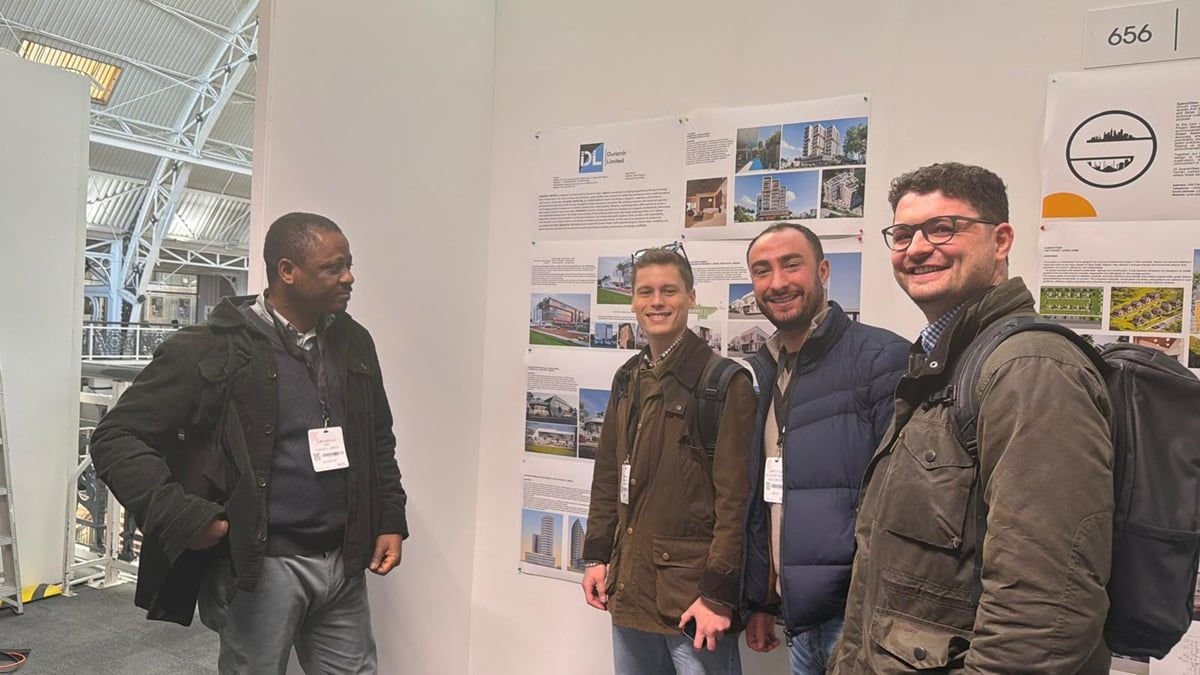
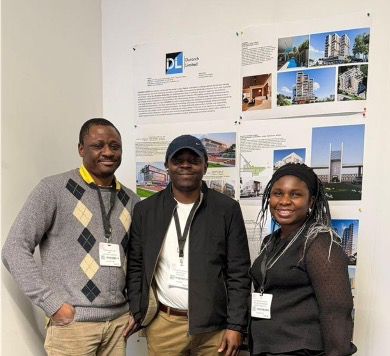
Durojaiye Rotimi Ale presents Durarch at the UK Surface Design Show
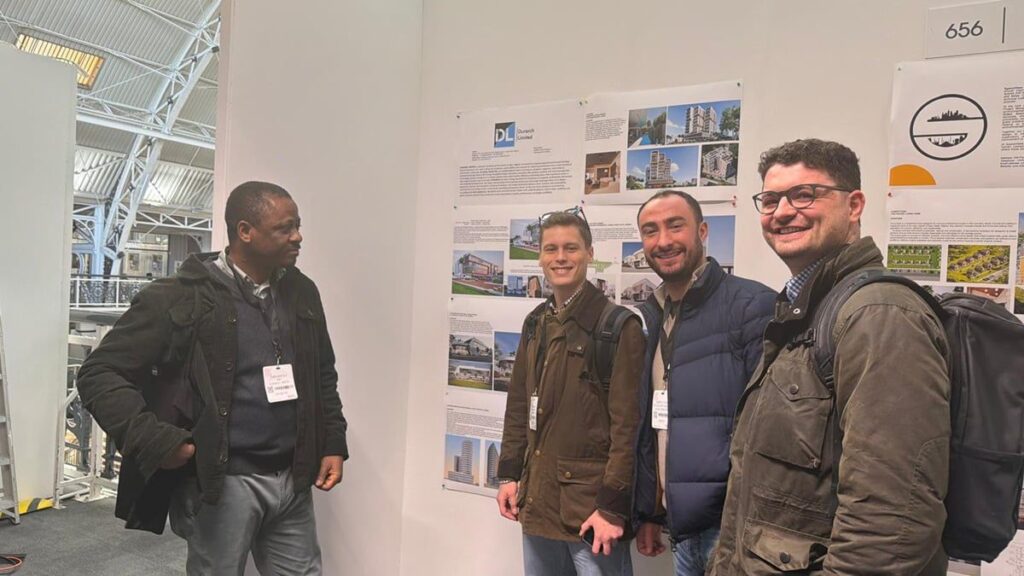
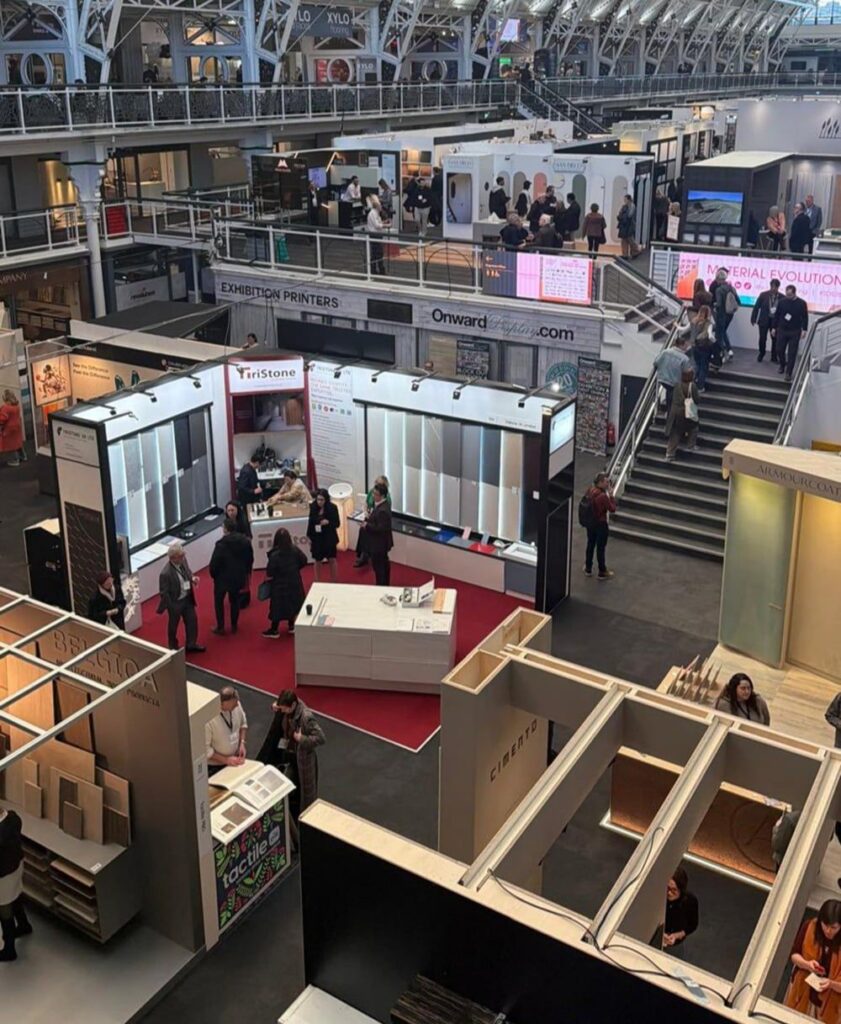
Durarch Limited, led by architect and construction project manager Durojaiye Rotimi Ale, participated in the Surface Design Show (SDS), one of the United Kingdom’s leading international exhibitions dedicated to architectural design and materials innovation, held from 3–5 February 2026. Hosted at the Business Design Centre in London, the event brings together architects, designers, developers and material specialists from around the world to explore new ideas shaping the future of the built environment. Known as a key meeting point for professionals interested in architectural surfaces and sustainable design, the exhibition provides a platform for showcasing forward-thinking approaches to construction and urban development.Durojaiye Rotimi Ale used the exhibition to present a collection of design concepts focused on sustainable surface and building envelope systems. Drawing on more than fifteen years of experience in architecture and project management, Ale’s work highlights practical material solutions aimed at addressing pressing global concerns such as environmental sustainability, durability and energy performance. Many of the projects displayed at the show were conceptual proposals designed specifically for locations across Nigeria, particularly regions where forest and mangrove environments meet humid tropical conditions.One of the featured projects was a proposed hospital for the Zenith Medical and Kidney Centre in Port Harcourt.
The design exhibits a modern, glass-fronted facility covering about 11,550 square metres. Beyond its contemporary appearance, the concept places strong emphasis on environmental integration. Trees, decorative flowering greenery and landscaped lawns are incorporated throughout the site, creating a setting intended to support both environmental sustainability and patient wellbeing.Another key project is a residential master plan along the Akure–Owo Expressway. The development outlines an estate of over twenty duplex homes organised around a central road that slopes gently from the entrance toward the rear of the property. The houses follow a clean, contemporary style increasingly common in Nigeria’s rapidly growing urban areas. Their square forms, white facades, flat roofs and sharp lines reflect a modern aesthetic similar to what is now seen in neighbourhoods such as Lekki in Lagos.A strong sense of visual unity runs through the Akure design. White facades are paired with charcoal frames and sections of light chocolate brick, creating subtle contrast without disrupting the overall simplicity of the architecture. Even the Deco-inspired gatehouse follows the same visual language. At the same time, environmental considerations remain central to the design. Green lawns, shrubs and flower beds are carefully integrated into the landscape, while the spacing of the buildings allows for natural air circulation. Balconies and windows of different sizes also provide generous ventilation—an important feature for a city like Akure, known for its humid climate and rocky terrain.Durojaiye Rotimi Ale also included a striking proposal for a shopping mall in Abeokuta. The design takes inspiration from the form of a cruise yacht, with sweeping lines and a rooftop structure reminiscent of a ship’s deck. Although the building is fundamentally modern in style, subtle Art Deco influences appear in details such as the semicircular deck-like platform that projects from the front of the structure. This space, imagined as a leisure or restaurant area, sits above a glass gallery that extends across much of the building’s façade. As with many of Durarch’s designs, the surrounding environment is not an afterthought. Trees, lawns and flowering plants frame the development, reinforcing the idea of architecture that remains connected to its landscape.Environmental integration becomes even more pronounced in another proposed mall design for Ilorin, in Kwara State.
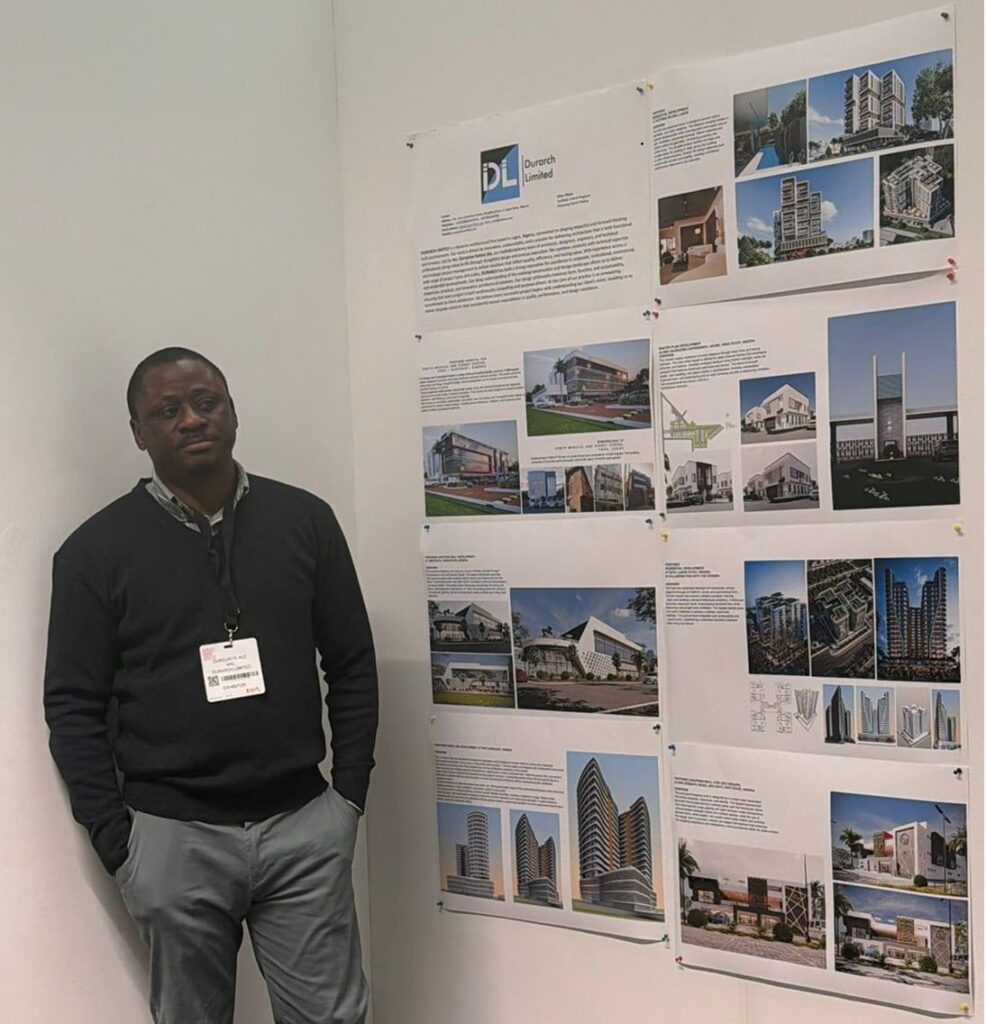
The most distinctive feature of this concept is a lattice-like green covering of climbing plants across the building’s glass façade. Beyond its visual appeal, the living surface helps reduce heat while improving air quality without blocking natural light. The result is a structure that almost appears to grow out of its surroundings. In a city known for its high temperatures, such a design offers a thoughtful response to the local climate.Durojaiye Rotimi Ale’s expertise in commercial architecture is further reflected in a proposed mall project for Ceci Groups in Ado Ekiti. The building maintains a clean modern appearance while introducing greenery into its design through cascading vines suspended from a central balcony. While the environmental elements are less dramatic than in the Ilorin project, the design still demonstrates a conscious effort to soften the presence of urban concrete with natural forms.Events such as the Surface Design Show play an important role in shaping conversations about the future of cities. They allow architects and designers to present ideas that explore not only new aesthetics but also new ways of building responsibly. In Durarch’s case, the exhibition highlighted a broader commitment to socially and environmentally responsive architecture.This approach is particularly evident in the firm’s concept for pocket living homes—compact, modular housing units designed to be efficient, affordable and environmentally sustainable. Originally developed for a couple in Ogun State seeking a practical and budget-friendly housing solution, the design incorporates renewable materials such as wood and solar panels.
The homes are intended to function as largely self-sustaining units while occupying minimal space and producing very low greenhouse gas emissions.Although conceived on a small scale, the idea holds potential for wider residential developments such as housing estates. It demonstrates how thoughtful architecture can meet practical housing needs while remaining sensitive to the natural environment.Durarch’s participation led by Durojaiye Rotimi Ale in the London exhibition reflects a broader shift in which Nigerian architects are increasingly contributing to global discussions about sustainable design and urban development. By combining technological innovation with ecological awareness, the firm’s projects suggest new possibilities for how buildings can be designed to exist more harmoniously with the environments around them.